
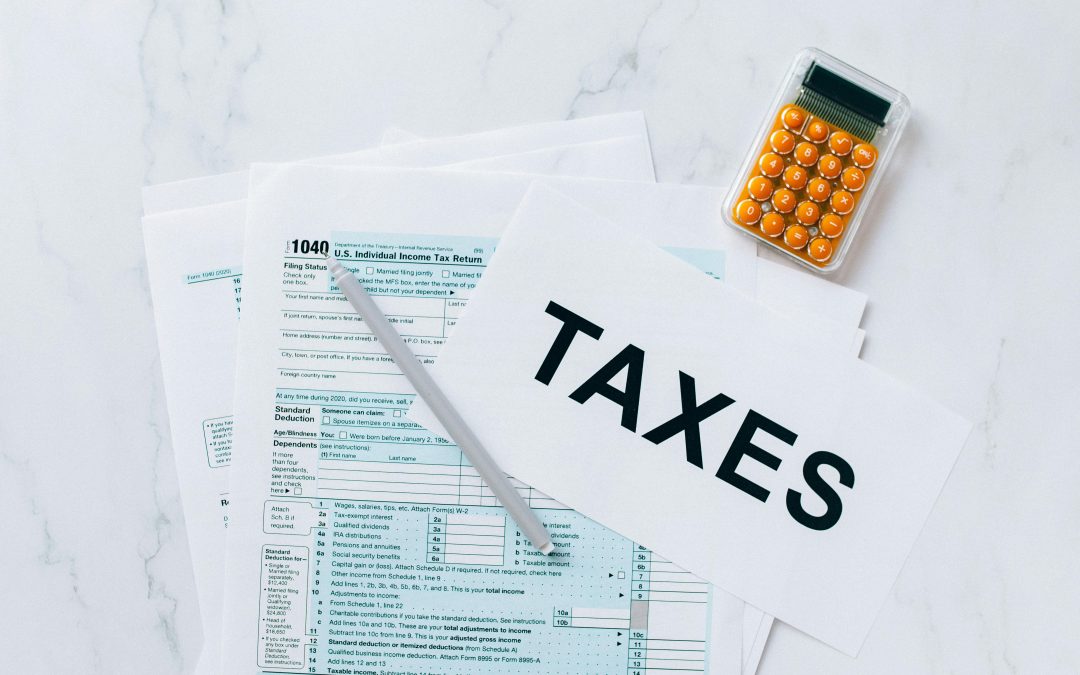
Tax season has a way of sneaking up on even the most organized people. One minute you are focused on work or family, and the next you are staring at forms, deadlines, and confusing numbers. The good news is that filing taxes does not have to feel overwhelming. With the right mindset and planning, solutions for accurate and stress-free tax filing are easier to achieve than most people think.
This guide walks you through practical ways to reduce errors, save time, and approach tax filing with confidence instead of anxiety.
Why Tax Filing Feels So Stressful for Many People
Taxes combine paperwork, deadlines, and fear of making mistakes. That mix naturally creates pressure.
According to a 2023 survey by the American Psychological Association, money and finances remain one of the top sources of stress for adults, with taxes frequently mentioned during filing season. Uncertainty about rules and penalties often adds to that stress.
Common concerns include:
- Missing deductions or credits
- Filing incorrect information
- Owing more than expected
- Dealing with audits or notices
Understanding these concerns is the first step toward finding better solutions for accurate and stress-free tax filing.
Organization Is the Foundation of Accurate Tax Filing
Accuracy starts long before you submit a return. Organized records make everything easier.
Helpful documents to gather early include:
- Income statements such as W-2s or 1099s
- Expense receipts and invoices
- Bank and investment statements
- Previous year tax returns
The Internal Revenue Service recommends keeping tax records for at least three years, and longer in some cases. Having everything in one place reduces last-minute scrambling and helps prevent errors.
Understanding Your Filing Status and Obligations
Many mistakes happen simply because people are unsure how they should file.
Key factors that affect filing include:
- Employment status such as employee or self-employed
- Marital status
- Dependents
- Additional income sources
Taking time to understand these basics or getting professional guidance can dramatically improve accuracy. Clear understanding is one of the most effective solutions for accurate and stress-free tax filing.
Using Technology to Reduce Errors
Tax software has become much more user-friendly and reliable in recent years. It helps guide users step by step and flags common mistakes automatically.
Benefits of modern tax software include:
- Built-in error checks
- Automatic calculations
- Guided deduction and credit questions
- Electronic filing confirmations
According to IRS data, electronic filing reduces error rates compared to paper returns. Technology does not replace understanding, but it does support accuracy when used correctly.
Knowing When Professional Help Makes Sense
While many people can file on their own, some situations benefit from expert support.
You may want professional help if you:
- Run a business or freelance
- Own rental or investment property
- Experienced major life changes
- Have complex deductions or credits
Certified public accountants and enrolled agents stay current on tax law changes. Their expertise often leads to better outcomes and fewer headaches, making them valuable solutions for accurate and stress-free tax filing for complex cases.
Avoiding Common Filing Mistakes
Even small errors can delay refunds or trigger notices. Being aware of common pitfalls helps you avoid them.
Frequent mistakes include:
- Incorrect Social Security numbers
- Math errors
- Missing signatures
- Filing under the wrong status
- Forgetting additional income sources
Double-checking information and reviewing returns carefully before submission can prevent most of these issues.
Planning Ahead Instead of Reacting at Deadline Time
Tax filing becomes much easier when it is part of year-round planning rather than a once-a-year scramble.
Smart planning habits include:
- Tracking income and expenses monthly
- Adjusting withholding when needed
- Making estimated payments if required
- Reviewing tax impact of major decisions early
The IRS and many financial advisors emphasize proactive planning as a way to reduce surprises. This forward-looking approach is one of the most sustainable solutions for accurate and stress-free tax filing.
Staying Informed About Tax Law Changes
Tax rules change regularly, and even small updates can affect deductions or credits.
Reliable sources for updates include:
- IRS official publications
- Reputable financial news outlets
- Tax professionals
- Employer or payroll updates
Staying informed helps you take advantage of benefits you may otherwise miss and avoids filing based on outdated rules.
Managing Stress During the Filing Process
Accuracy matters, but so does peace of mind. Stress can lead to rushed decisions and mistakes.
Ways to stay calm include:
- Starting early
- Breaking tasks into smaller steps
- Asking questions when unsure
- Setting realistic expectations
Remember that filing accurately is more important than filing fast. Giving yourself time is part of effective solutions for accurate and stress-free tax filing.
What to Do After You File
Once your return is submitted, a few simple steps can provide extra reassurance.
After filing:
- Save digital and paper copies
- Confirm receipt if filing electronically
- Track refund status if applicable
- Note deadlines for future payments
These habits close the loop and prepare you better for next year.
Final Takeaway for a Smoother Tax Season
Taxes will probably never be anyone’s favorite task, but they do not have to be overwhelming. With organization, planning, and the right level of support, you can reduce stress and improve accuracy year after year. Choosing reliable solutions for accurate and stress-free tax filing means fewer surprises, better compliance, and more confidence in your financial life.